
Last week, the Citizens International team attended the Caribbean Investment Summit 2026 (CIS26) in Saint Lucia, joining government officials, Citizenship by Investment Unit (CIU) leaders, developers, regulators, banks, due diligence firms, and industry stakeholders from around the world to discuss the future of Caribbean investment migration.
This year’s conference made one thing very clear: the Caribbean citizenship by investment industry is evolving rapidly.
Across nearly every panel, the conversation focused less on visa-free travel and more on regulation, credibility, long-term economic development, investor quality, technology, and building stronger relationships between countries and the individuals who become their citizens.
Hosted under the theme “The Convergence Advantage in Global Capital and Mobility,” CIS26 highlighted both the opportunities and challenges facing the industry as it enters a more mature phase.
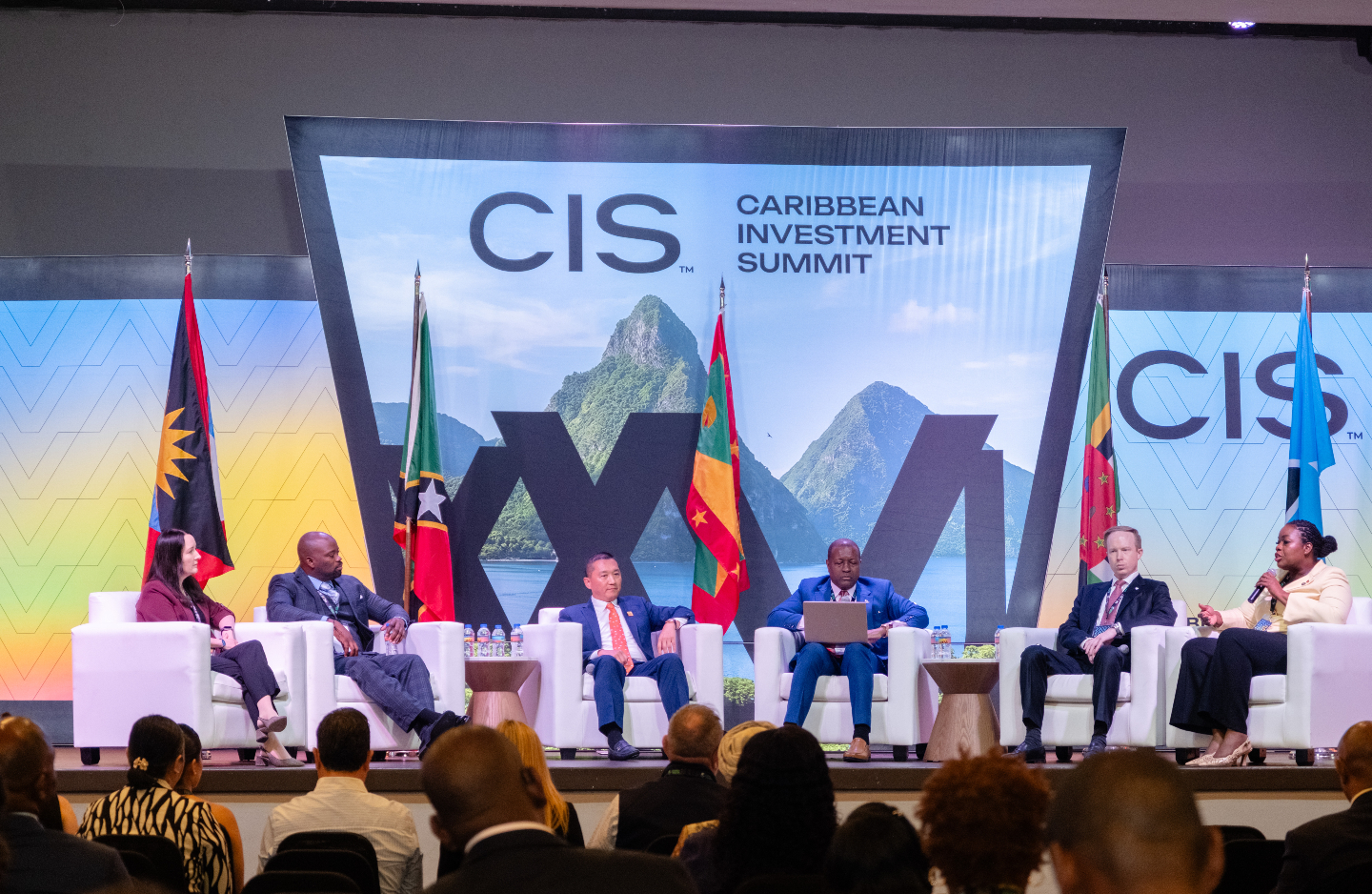
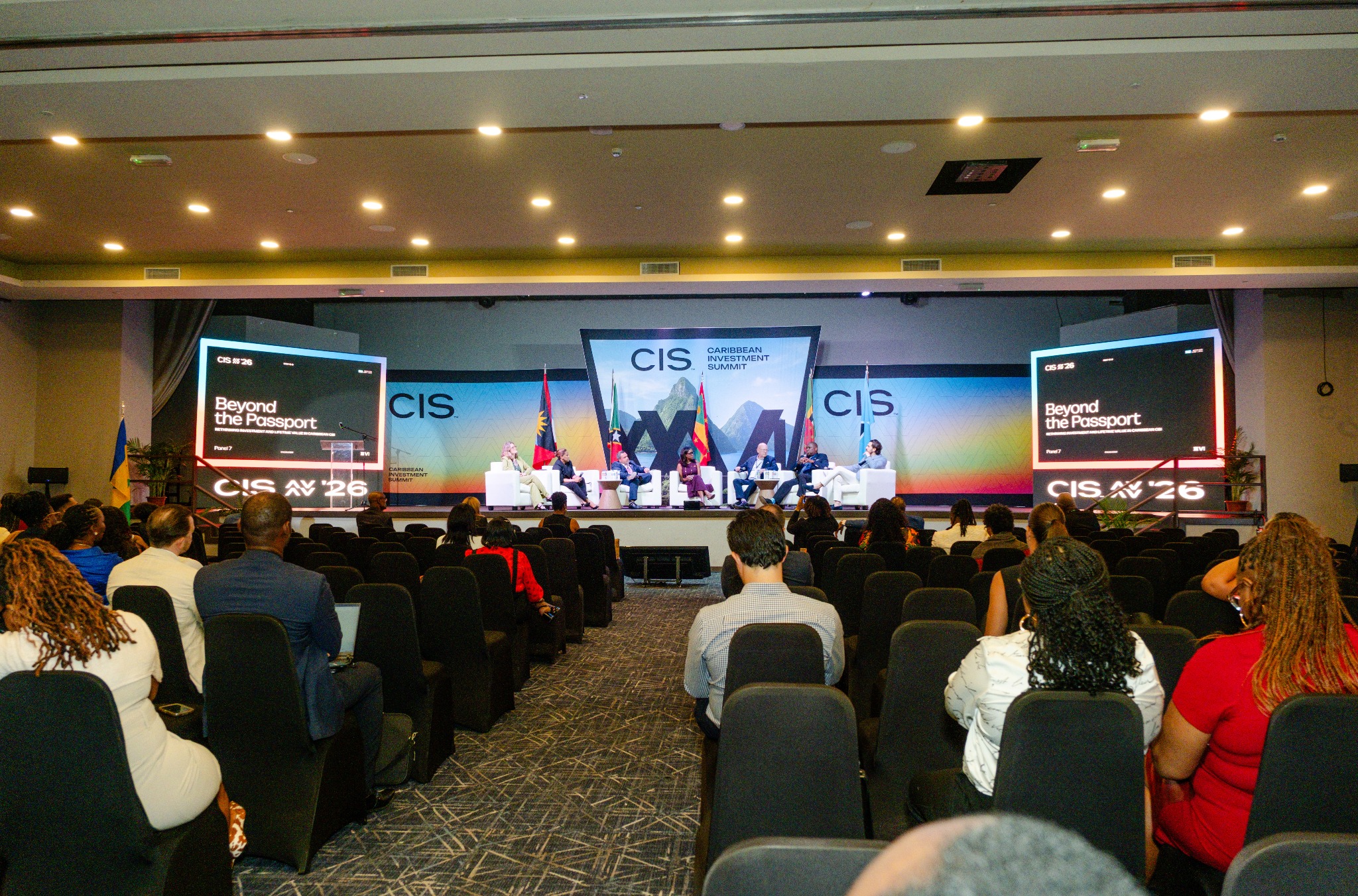
Moving Beyond the Passport
One of the strongest themes throughout the conference was the idea that Caribbean citizenship by investment programs must evolve beyond being viewed simply as a transactional passport product.
Speakers repeatedly emphasized that citizenship should represent something deeper: connection, opportunity, participation, and long-term engagement with a country.
There was significant discussion around attracting individuals who can contribute meaningfully to the region, including entrepreneurs, developers, scientists, doctors, philanthropists, and globally mobile families looking for stability and diversification for future generations.
Several government representatives stressed the importance of helping investors feel like genuine citizens, not simply applicants completing a transaction.
Discussions focused on:
- Educating applicants about their adopted country
- Maintaining communication after citizenship is granted
- Connecting citizens to investment and business opportunities
- Creating smoother onboarding experiences
- Building a stronger sense of belonging and participation
A recurring message throughout the conference was simple but powerful:
“You belong.”
Officials from Saint Lucia discussed the importance of keeping post-citizenship communication open and helping investors connect more deeply with the country itself, while Grenada highlighted efforts to keep citizens informed about opportunities on the island and encourage reinvestment over time.
There was also recognition that the investor experience still contains friction points that need improvement.
Representatives acknowledged that lengthy banking processes, documentation requirements, and onboarding delays can create a disconnect for new citizens. One panelist noted the irony that an investor can become a citizen before being able to efficiently open a local bank account or purchase property in the country they now belong to.
The broader takeaway was clear: the future of the industry is increasingly about long-term relationships, not one-time transactions.
Regulation and ECCIRA Take Centre Stage
Regulation was another dominant focus throughout CIS26.
Much of the conference centered around the formation of the Eastern Caribbean Citizenship by Investment Regional Agency (ECCIRA), which was established in 2025 to create stronger oversight, coordination, and harmonized standards across participating Caribbean programs.
Speakers emphasized several priorities moving forward:
- Stronger regional cooperation
- Shared due diligence intelligence
- Standardized compliance frameworks
- Enhanced biometric systems
- Greater accountability for marketing agents
- Improved transparency and governance
Multiple speakers welcomed the move toward a more regulated and mature industry structure, particularly as Caribbean programs continue to face scrutiny from international partners, including the European Union.
Rather than resisting increased oversight, many government representatives framed stronger regulation as essential to protecting the long-term credibility and sustainability of the industry.
Several panels also discussed how all five participating governments have agreed to enhanced regional cooperation measures, with further implementation anticipated throughout 2026.
Due Diligence Is Becoming More Sophisticated
Another major topic throughout the conference was the continued evolution of due diligence standards across Caribbean programs.
CIU representatives outlined increasingly detailed compliance processes involving:
- Multi-stage vetting procedures
- Enhanced source of funds reviews
- Biometric verification
- Cross-jurisdictional intelligence sharing
- Financial security checks
- Ongoing monitoring and reassessment
A key message repeated throughout the conference was that stronger due diligence is attracting more serious, higher-quality applicants while helping maintain international confidence in Caribbean programs.
Technology and AI were also discussed extensively.
Many jurisdictions are beginning to integrate AI and automation tools into parts of their application processing systems to improve efficiency and reduce delays. However, several speakers cautioned that due diligence cannot become a purely automated “checklist process.”
Human judgment, adaptability, and contextual analysis remain critical.
As one panelist noted, “everything can look good on paper,” while deeper review may reveal inconsistencies between a client’s profile, business activity, jurisdiction, or source of wealth.
Biometrics were also repeatedly highlighted as one of the most significant changes likely to shape the future of the industry.
The Industry Is Shifting Away From Visa-Free Travel Marketing
One of the more notable discussions at CIS26 centered around changing marketing strategies for Caribbean citizenship by investment programs.
Several speakers acknowledged that relying heavily on visa-free access to market programs has become increasingly unsustainable, particularly given ongoing European Union scrutiny around investment migration.
The broader consensus was that Caribbean citizenship can no longer be marketed primarily around Schengen mobility.
Instead, the focus is shifting toward:
- Economic diversification
- Lifestyle and relocation opportunities
- Stability and optionality
- Real estate investment
- Family legacy planning
- Business expansion
- Long-term global flexibility
Speakers emphasized that visa-free access should now be viewed as a dynamic arrangement rather than a permanent guarantee, requiring ongoing cooperation, transparency, and regulatory alignment with international partners.
At the same time, multiple panelists argued that Caribbean nations must continue shaping their own narrative around citizenship and sovereignty, rather than allowing external criticism alone to define the industry.

Director Abi Mansoor with the Prime Minister of St. Lucia
Caribbean Governments Continue to Defend the Economic Importance of CBI
Prime ministers and senior officials strongly defended the economic role citizenship by investment programs continue to play across the region.
Government representatives pointed to infrastructure projects, schools, housing developments, disaster recovery initiatives, renewable energy investments, and public services funded through CBI revenues.
Leaders emphasized that for small island developing states, these programs remain important tools for reducing debt exposure and funding national development without excessive borrowing.
There was also growing discussion around how CBI revenues can be used more strategically over the long term, not simply to support government budgets, but to help build more resilient and diversified economies.
Several speakers stressed that the ultimate goal is not simply preserving the programs themselves, but ensuring they continue creating meaningful economic impact for Caribbean citizens.
Investor Behaviour Is Changing
Panels discussing source markets and investor behaviour noted that the global client profile has shifted significantly in recent years.
While mobility remains important, today’s investors are increasingly focused on:
- Geographic diversification
- Lifestyle flexibility
- Family security
- Education opportunities
- Real estate ownership
- Long-term stability
- Tax and business planning
- Relationship-driven advisory services
Speakers also highlighted growing interest from U.S. and Canadian clients, many of whom are not primarily seeking visa-free access, but rather a long-term “Plan B,” optionality, and access to alternative jurisdictions.
At the same time, some market experts predicted that the Chinese market may begin to strengthen again over the coming years as broader economic cycles shift.
Looking Ahead
CIS26 reflected an industry that is clearly entering a more mature phase.
The future of Caribbean citizenship by investment appears increasingly focused on:
- Stronger regulation and oversight
- Enhanced due diligence and biometrics
- Greater regional coordination
- Technology integration
- Long-term economic development
- Real estate and relocation opportunities
- Higher-quality applicants
- Relationship-driven citizenship models
For Citizens International, many of these conversations reinforced trends we have already been seeing firsthand across the industry. Increasingly, clients are not simply looking for mobility benefits alone. They are looking for meaningful lifestyle opportunities, real estate ownership, long-term flexibility, and a genuine connection to the places they invest in.
That shift is reflected in projects like The Gardens by Elmsbridge in Antigua, where citizenship eligibility is paired with real ownership in an established residential community designed for long-term use, rental income potential, and ongoing engagement with the island itself.


The Elmsbridge and Citizens International teams at the Elmsbridge booth
As Caribbean programs continue to evolve, the focus is becoming less about simply acquiring another passport, and more about creating meaningful long-term ties to stable, globally connected Caribbean jurisdictions with real lifestyle, investment, and economic opportunities beyond citizenship alone.
Interested in learning more about Caribbean citizenship by investment, real estate opportunities, or relocating to Antigua & Barbuda? Contact the Citizens International team to explore the options available and receive guidance tailored to your goals.



 FREE DOWNLOADS
