
Dual and multiple citizenships can offer many benefits, but the laws around them are not always straightforward. Depending on your current circumstances, you may or may not be eligible for a second citizenship. Here, we explain the rules you may encounter when applying for a second passport.
Key Takeaways
- Each nation sets their own laws that decree whether you can or cannot hold dual or multiple citizenships.
- In some countries, you may need to relinquish your current citizenship in order to claim citizenship elsewhere.
- Some countries set no limit on the number of citizenships you can have.
- Citizenship by investment is the most straightforward route to dual citizenship for high-net-worth individuals.
At Citizens International, we have been helping high-net-worth individuals and their families secure a second citizenship by investment since 1999. Use this guide to discover the answer to the question “How many citizenships can you have?”
Table of Contents
- Is There a Maximum Number of Citizenships You Can Have?
- Country-Specific Rules
- How Is Citizenship Acquired?
- What Are the Practical Consequences of Holding Multiple Citizenships?
- How Can I Get Another Citizenship?
- Dual Citizenship: Frequently Asked Questions
- Caribbean Citizenship with Citizens International
Is There a Maximum Number of Citizenships You Can Have?
Are you looking for a second citizenship? With the right choice of a second passport, you can enhance your global mobility, enjoy friction-free international travel, and set up a second home in a beautiful place. You can find increased financial, business and personal opportunities. Plus, you can secure a safe place should turbulent times arise.
That said, you may not be eligible for citizenship of another country without relinquishing your current passport.
There are no international laws or regulations that tell you how many citizenships you can have. Instead, you will need to check the laws of the country or countries of which you are already a citizen. For example, some countries strictly prohibit any other citizenship, whereas others set no maximum number.
Country-Specific Rules
Investors looking for second citizenships come to us from all over the world and with a unique set of circumstances. Here are some country-by-country answers to help you find out if you are eligible for more than one citizenship.
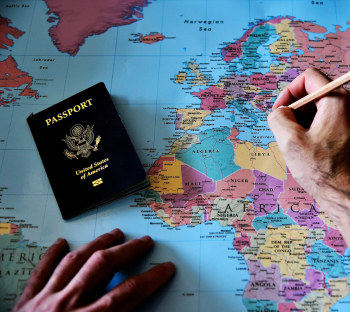
How Many Citizenships Can a U.S. Citizen Have?
U.S. law allows dual citizenship and does not prevent U.S. citizens from taking additional citizenships. It does not ask the U.S. citizens to relinquish their U.S. citizenship in these situations, either.
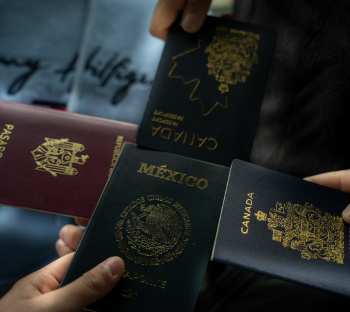
How Many Citizenships Can You Have in Canada?
Canadian citizens can gain dual or multiple citizenship without needing to give up their Canadian citizenship.
How Many Citizenships Can You Have in Mexico?
In most cases, Mexican law does not limit the number of citizenships you can have to keep your citizenship. However, if you obtained Mexican citizenship by naturalization, you can lose it by moving away for more than five years or by obtaining another citizenship.
How Many Citizenships Can You Have in Europe?
There are no EU-wide laws on dual citizenship. Each European country has different rules. For example, Austria does not allow dual citizenship except under exceptional circumstances,
France, on the other hand, allows multiple citizenships and Germany has recently changed its laws to allow dual citizenship.
How Many Citizenships Can You Have in the UK?
The UK government does not have any laws that dictate how many citizenships you can have, either as a UK citizen or as an applicant for UK citizenship.
How Is Citizenship Acquired?
There are multiple ways to gain citizenship, and the requirements often vary from country to country. If you are interested in the citizenship of a particular country, you must research the options available to you.
Citizenship of a country is usually claimed in relation to:
- The location of your birth
- The citizenship of your parents or sometimes your grandparents
- Marriage to a citizen
- Residency after a number of years, achieved through a complex process called naturalization
- Investment in property, business or via a government donation
Citizenship by investment offers a life in some desirable locations. The Antigua and Barbuda Citizenship Program, for example, offers lifetime dual citizenship with a Commonwealth passport that allows visa-free travel to more than 150 countries, as well as a beautiful Caribbean island lifestyle.
What Are the Practical Consequences of Holding Multiple Citizenships?
As a citizen of any country, you are subject to various laws and obligations. These obligations will include paying taxes and may also include regulations on mandatory jury service or military service.
When you gain dual citizenship, your situation becomes more complicated because you are now subject to the laws and regulations of two countries. The practical consequences of this may include:
- Double taxation
- Legal complexity on various issues
- Questions surrounding your claims on social security
That said, many countries that welcome applications for dual citizenship via investment smooth the path by offering tax-free opportunities.
How Can I Get Another Citizenship?
If you are not able to apply for another citizenship through family relationships, naturalization or birthright, then citizenship by investment is an excellent option.
Citizenship programs are available in world-class destinations, particularly in the Caribbean. Successful professionals and investors are eligible to apply through a number of routes, namely by investing in property or business, or via a donation.
Caribbean dual citizenship programs are more than a second passport. The key benefits of these programs are:
- Personal security
- Wealth preservation
- A highly desirable lifestyle
- Effective retirement planning
- Visa-free travel
- Lucrative investment opportunities
Dual Citizenship Frequently Asked Questions
Can citizenship be inherited by my children and grandchildren?
Generational transfer of citizenship is location-dependent. Some countries allow you to pass on citizenship to your children, and in some cases, your grandchildren. The citizenship by investment program for St Kitts and Nevis is one example of a country that allows generational transfer of citizenship.
Can you renounce your citizenship?
You can renounce your citizenship of most countries, but it is always a formal, complex legal process. You must always hold a citizenship of one country to avoid statelessness.
Can multiple citizenships cause travel issues?
In most cases, holding two passports makes travel easier. You just need to ensure that you arrive and leave a country on the same passport to avoid border-crossing confusion.
Caribbean Citizenship with Citizens International
Our Caribbean citizenship programs offer investors a convenient way to achieve second citizenship.
Get in touch today to explore your options confidentially and from the comfort of your home.

 FREE DOWNLOADS
